It’s 1999.
MySpace and Facebook are years away. Close friend and entrepreneur Jeffrey Gilbert runs The Dilly, a forum for high school and college students. He asks me to help with an ambitious redesign of the site’s interface. However, one member profile feature would go on to define the brand in unexpected ways.

BADGES WERE HOT
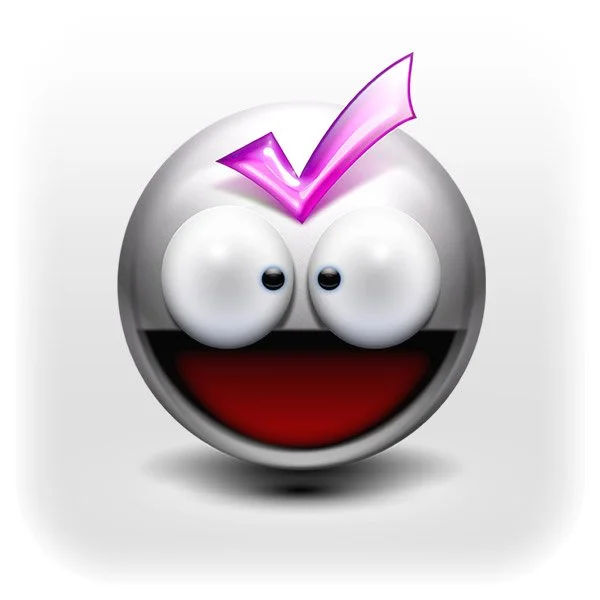
Verified members already had badges on their profile page, much like a modern authentication check. What if there were other kinds of achievements to unlock?


EMOJI WERE NOT
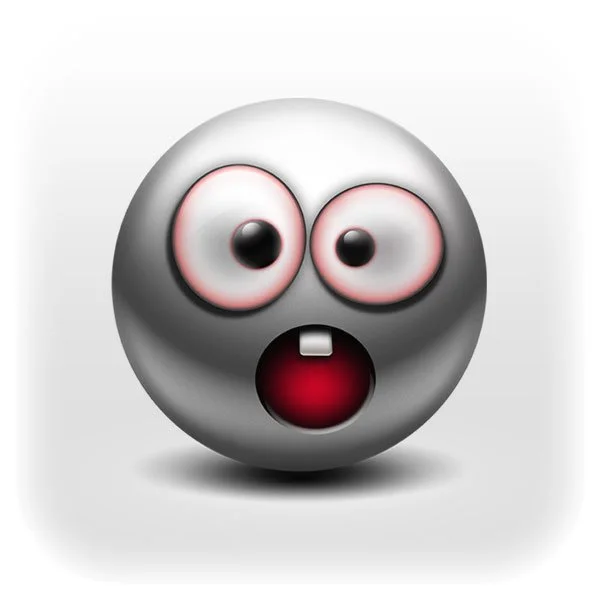
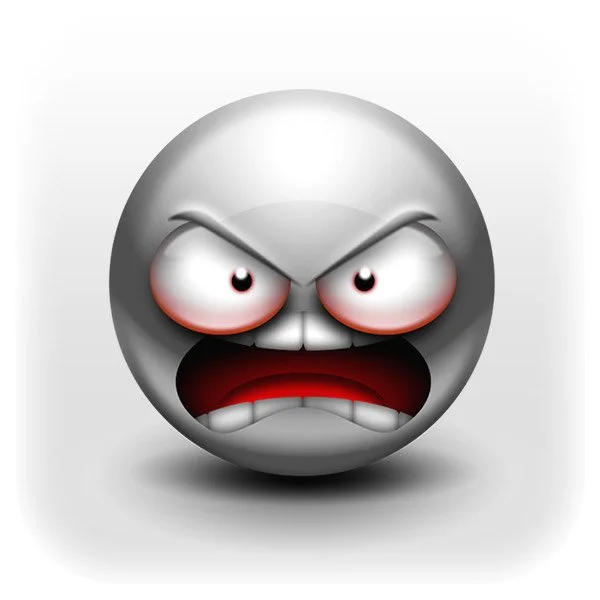
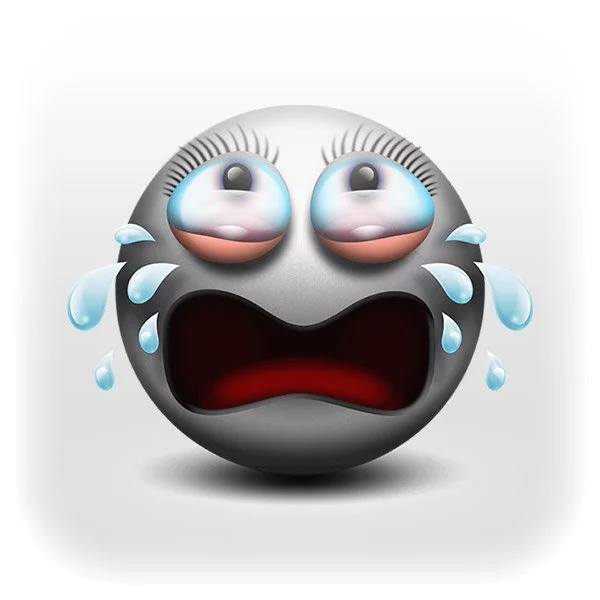
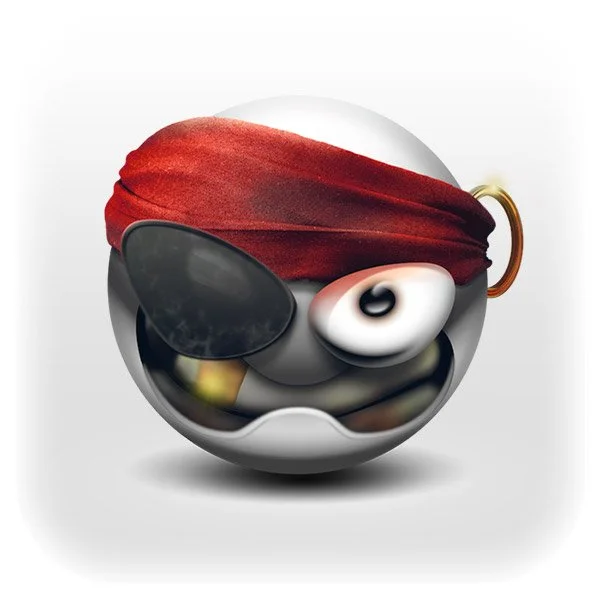
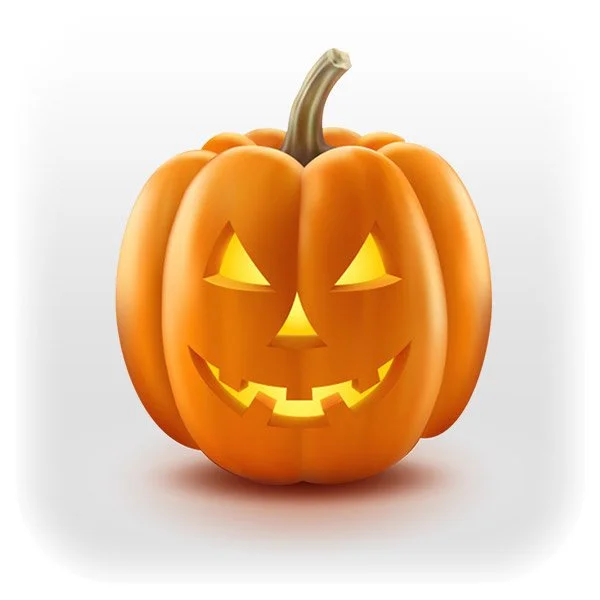
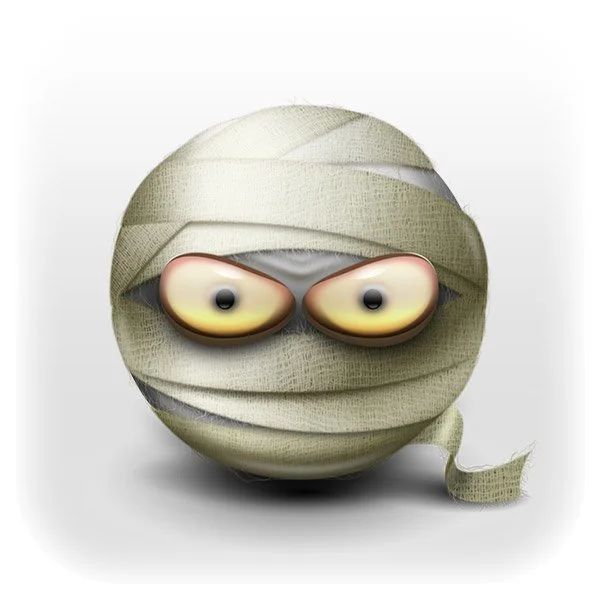
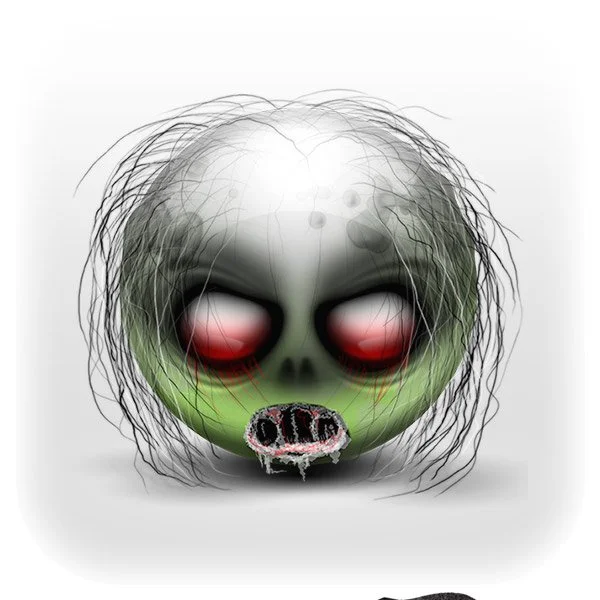
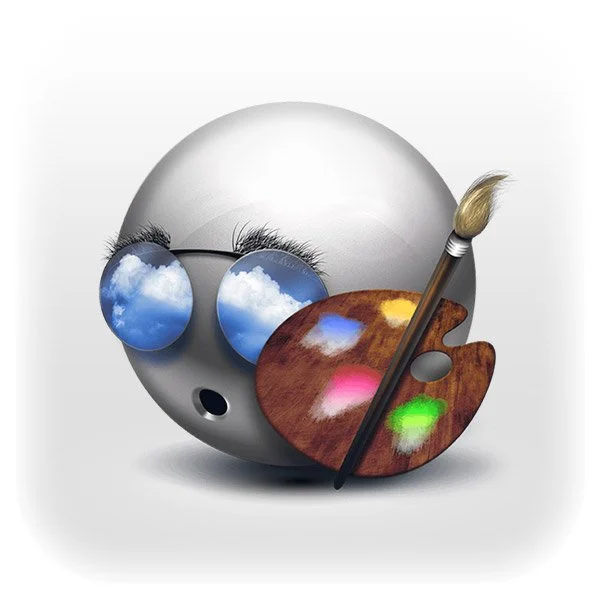
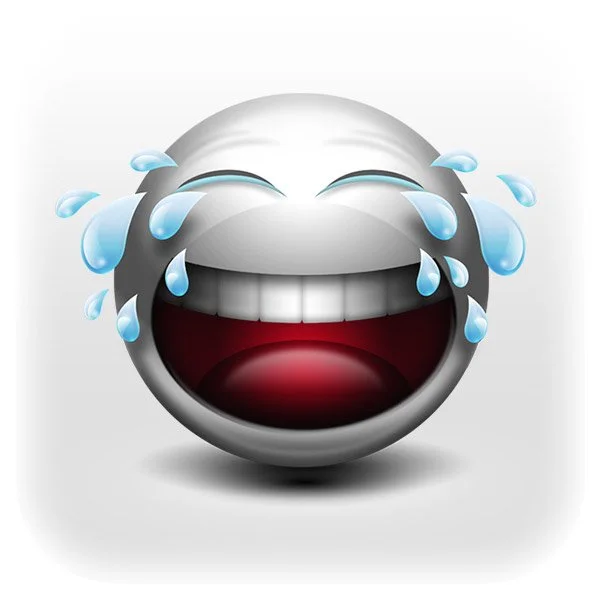
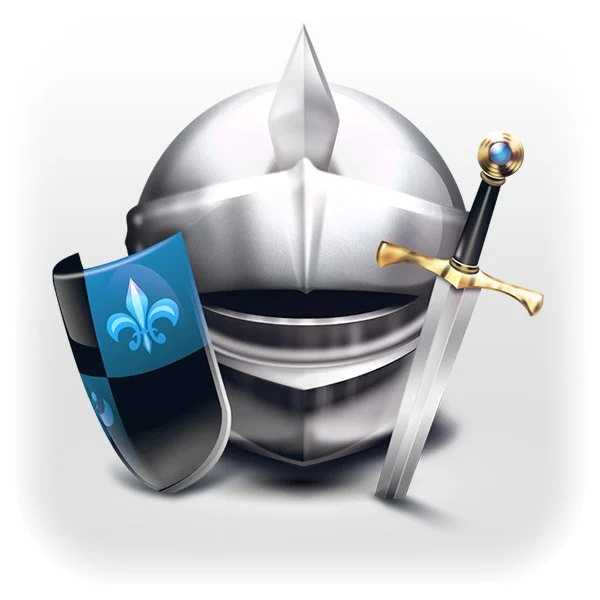
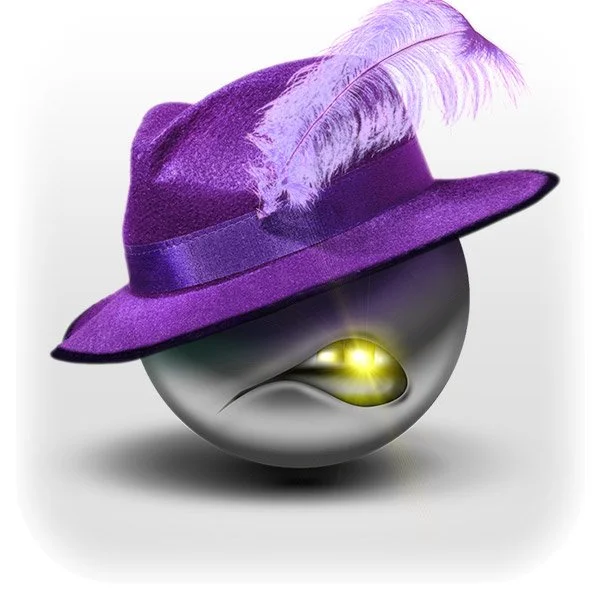
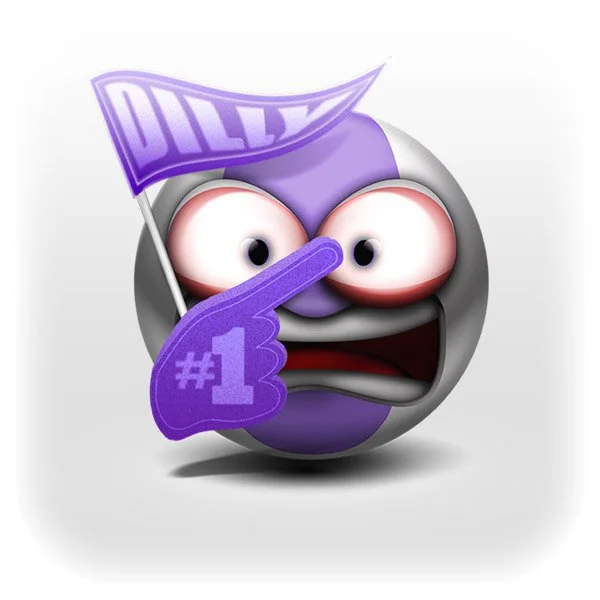
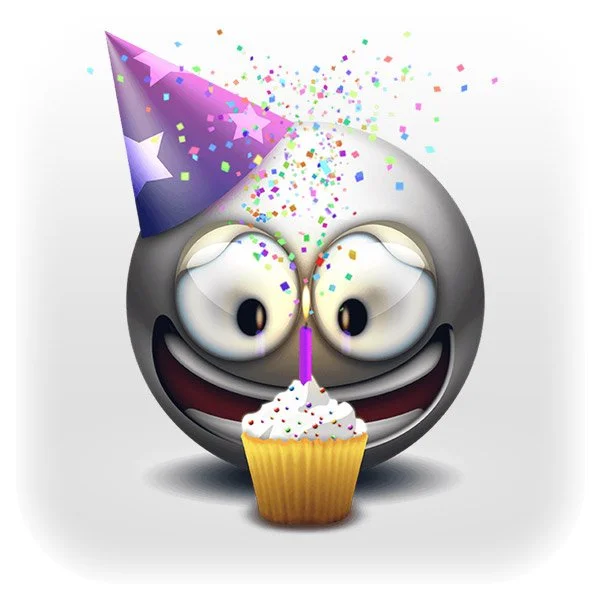
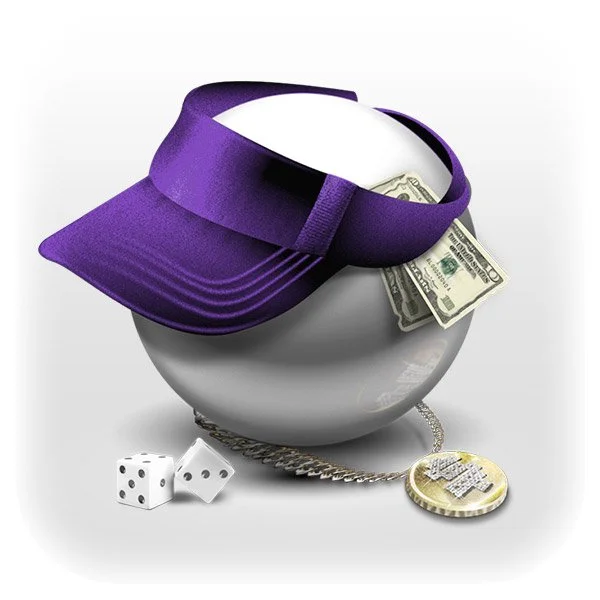
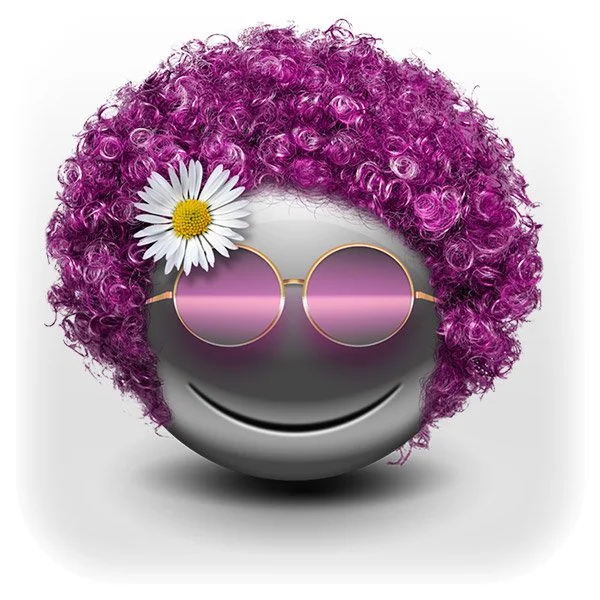
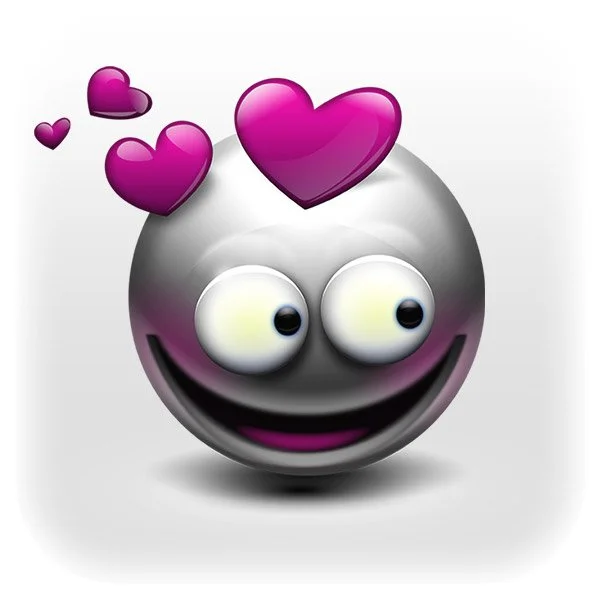
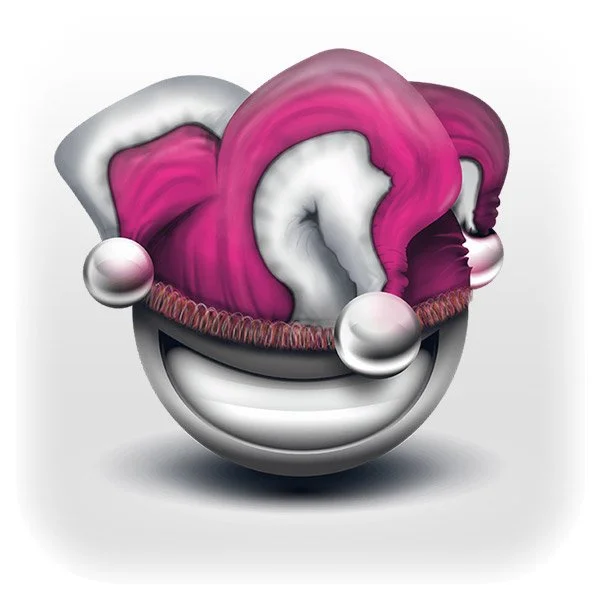
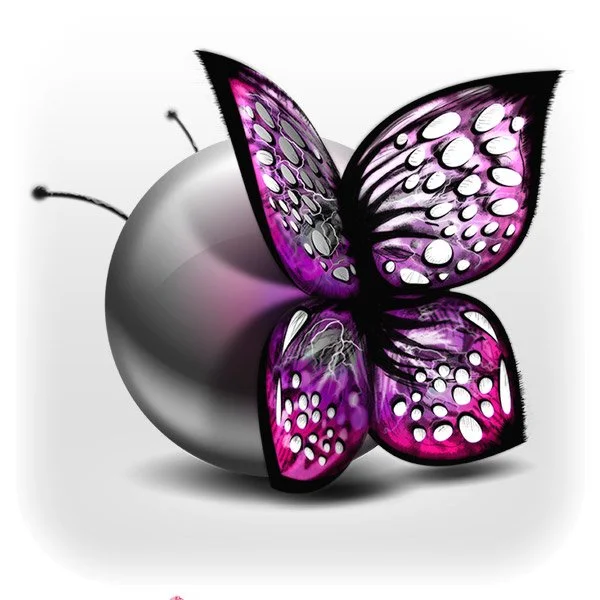
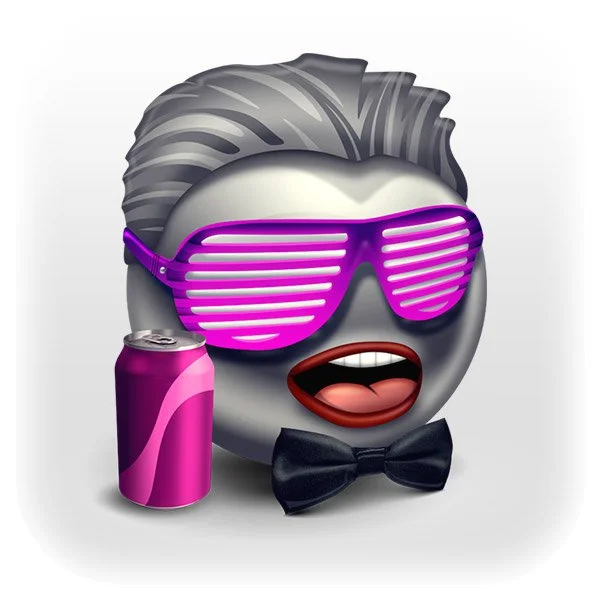
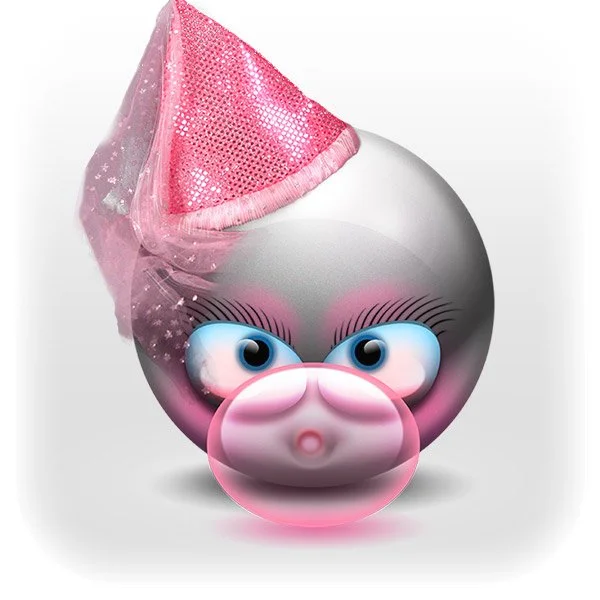
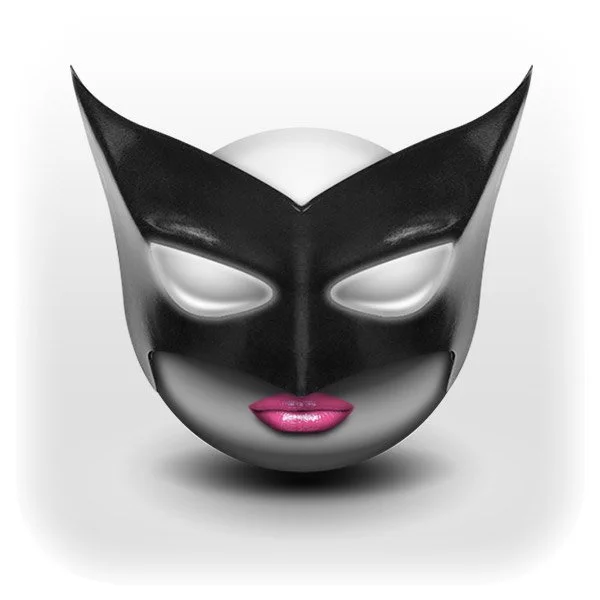
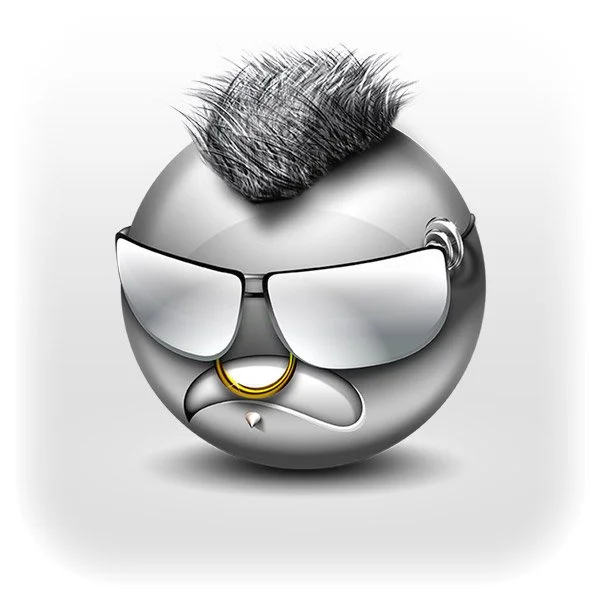
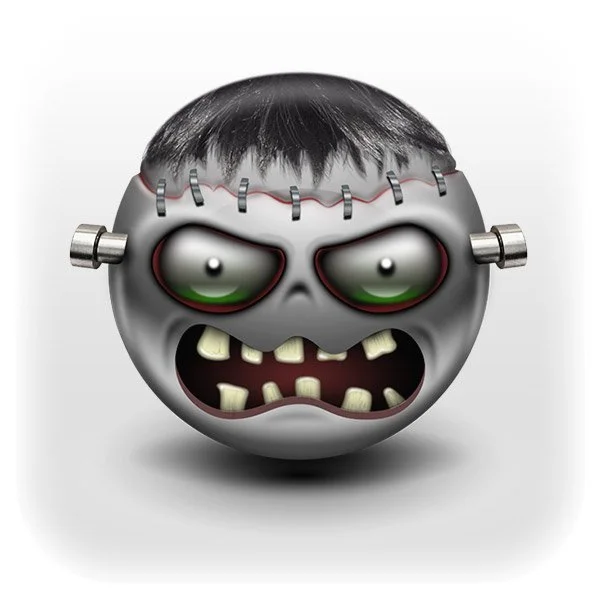
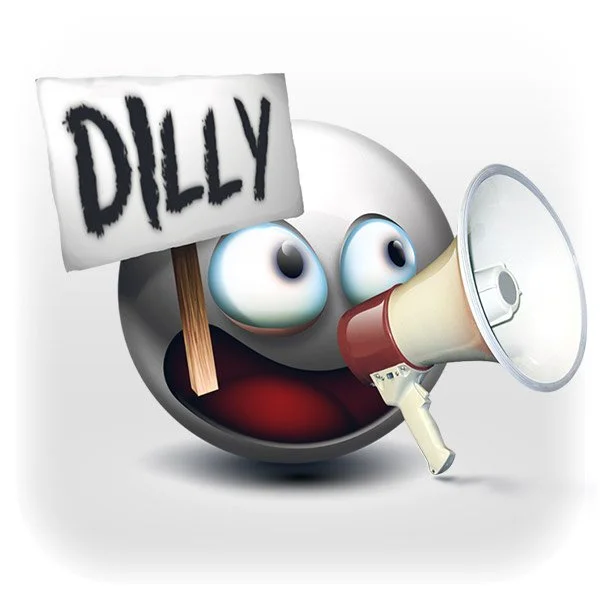
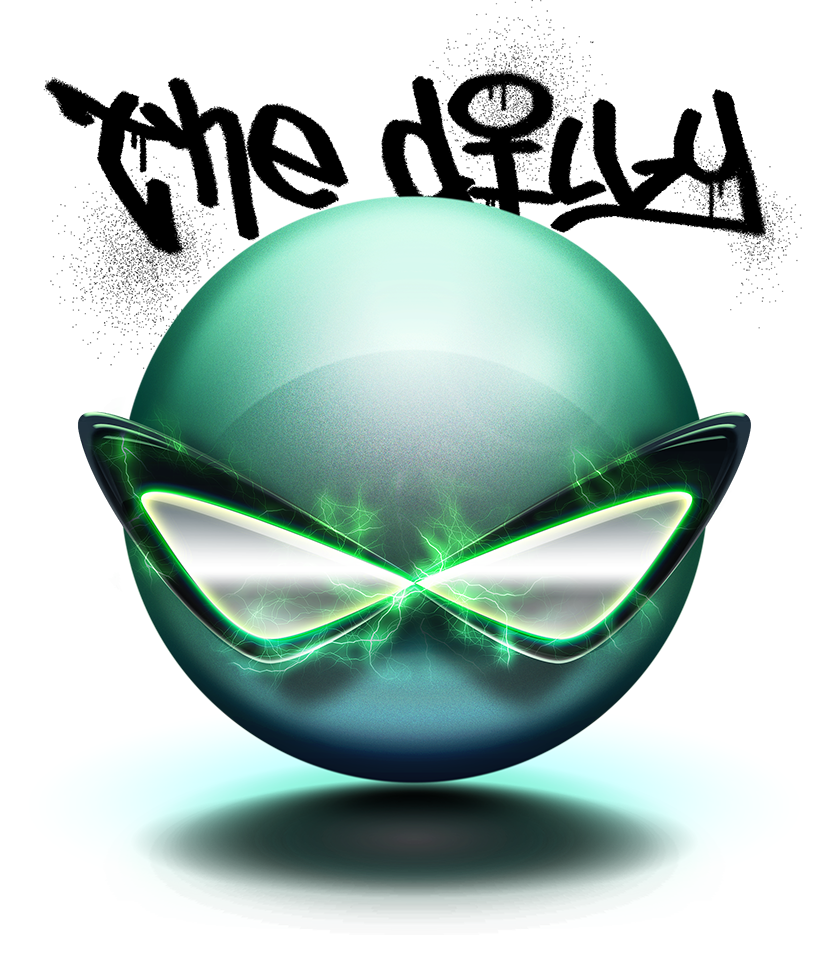
Early emoji were pretty basic, but I envisioned big, expressive characters that would reflect the community’s young and rebellious counter-culture.
MYSTERY MATTERS
The idea was to release these characters in secret, with no instructions. When one appeared on someone’s profile, others rushed to figure out how to unlock it.
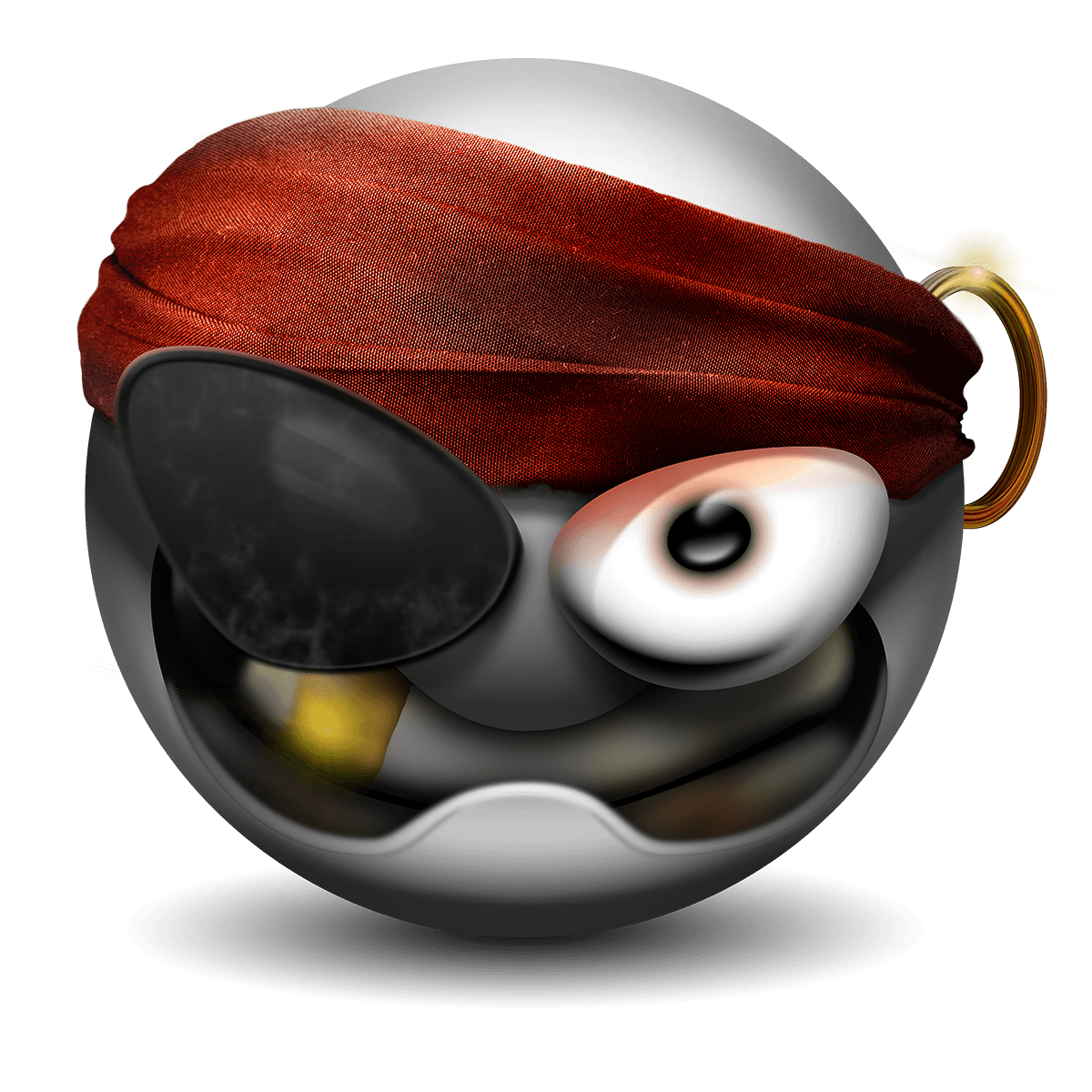
I would create dozens of character "ranks,"
 each locked behind an achievement that matched their design. Proud of your friend count? Show off your superstar
 rank. Post frequently in the sports boards? Flex your sportsfan
 rank. Admins, moderators, board leaders all got access to their own unique
 personalization.
Word spread.
This gamification marketing strategy was relatively new, incentivizing specific site activity by rewarding participation milestones. Soon, these “rank icons” would become viral mascots for the entire company.
At its height,
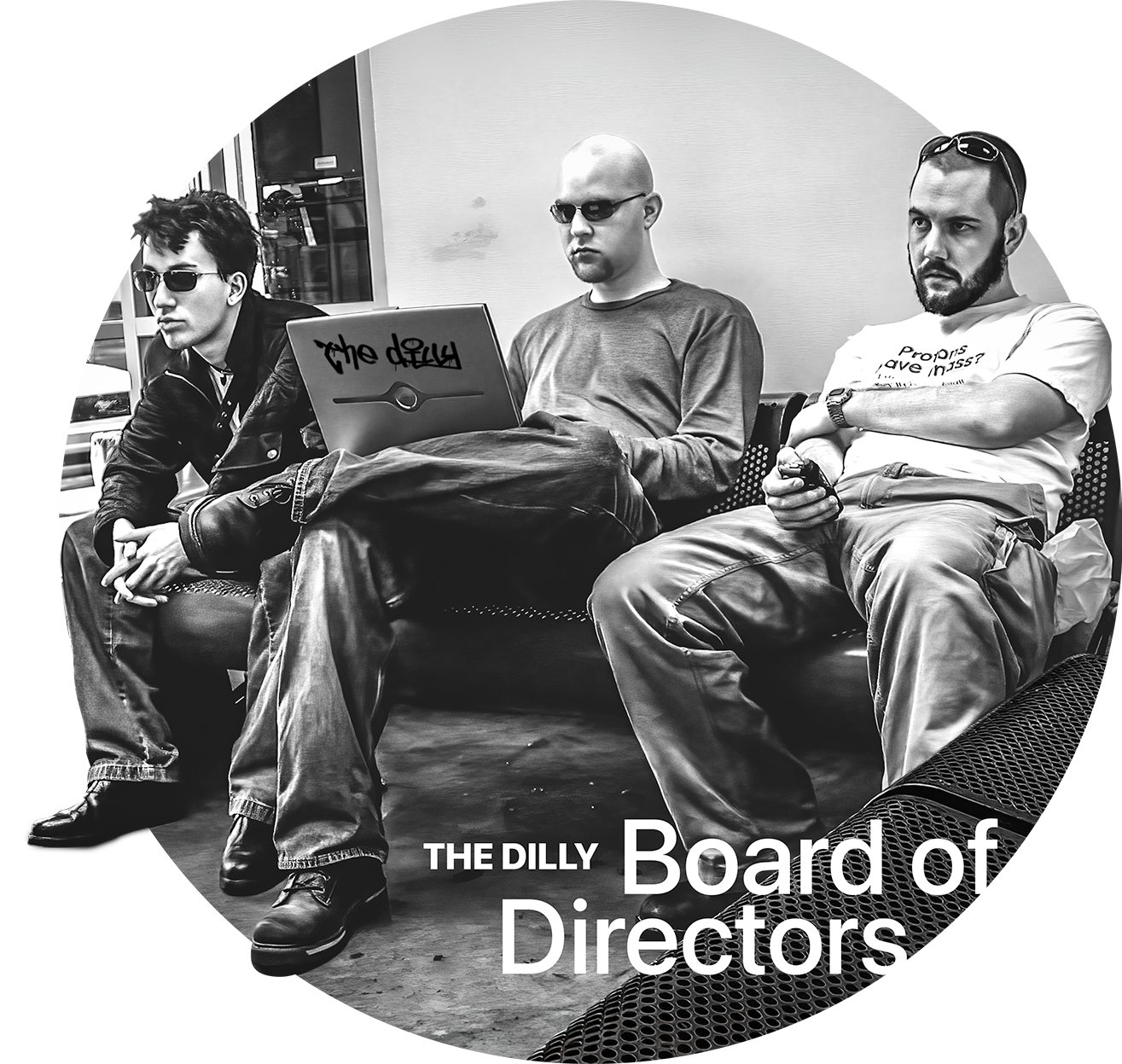
The Dilly would become the underground clubhouse for nearly a million of the Internet’s coolest kids— a quaint number today, but a proud feat for three misfits who didn’t realize they were building one of the first modern social networks.
THE DILLY
Rank Icons